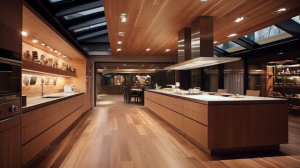
A kitchen remodel can dramatically improve the appearance, functionality, and overall feel of a home, but replacing every cabinet is not always necessary. Existing cabinets may have a solid structure while simply looking outdated, worn, or mismatched with a new kitchen design. In these situations, updating the cabinet surface can provide a practical alternative to a complete replacement. Fresh Coat Paint & Stain helps homeowners explore professional painting and staining solutions that can give existing cabinetry a refreshed and updated appearance.
When considering a cabinet makeover, homeowners often encounter two common terms: cabinet finishing and cabinet refinishing. Although these approaches can both improve the appearance of kitchen cabinets, they are not necessarily the same process. Understanding the difference can make it easier to choose an option that fits your budget, timeline, cabinet condition, and desired result.
Before making a decision, it is important to look beyond the color or finish alone. The condition of the existing cabinets, the type of material, the desired style, and the level of preparation required can all influence which approach makes the most sense.
What Is Cabinet Finishing?
Cabinet finishing generally refers to applying a new surface treatment to cabinets to improve their appearance and provide protection. Depending on the project, finishing can involve painting, staining, sealing, or applying another suitable coating.
This process may be appropriate when cabinets are structurally sound and homeowners primarily want to change or refresh their appearance. A new finish can help modernize the kitchen without requiring an entirely new set of cabinets.
Finishing may include several steps, such as:
Cleaning and preparing cabinet surfaces.
Light sanding when appropriate.
Repairing minor imperfections.
Applying primer when required.
Applying paint or stain.
Adding a protective topcoat when appropriate.
Reinstalling and checking cabinet components.
The exact process depends on the existing cabinet material and the type of finish being applied. Professional preparation is particularly important because kitchen cabinets experience frequent handling, moisture, grease, and temperature changes.
What Is Cabinet Refinishing?
Cabinet refinishing is generally a more involved process focused on renewing the existing surface of cabinets. It often involves removing or preparing the old finish before applying a new coating or stain.
The objective is to give existing cabinetry a substantially refreshed appearance while preserving the underlying cabinet structure. This can be an attractive option when the cabinet boxes and doors remain in good condition but the existing finish has become faded, scratched, discolored, or outdated.
A refinishing project may involve:
Removing cabinet doors and hardware.
Thoroughly cleaning surfaces.
Stripping or preparing the existing finish.
Sanding surfaces as needed.
Repairing minor surface damage.
Applying primer or stain.
Applying multiple finish coats.
Allowing appropriate drying and curing time.
Reinstalling doors and hardware.
The level of work varies depending on the existing coating and the desired result. Some cabinets require significantly more preparation than others.
Understanding Cabinet Finishing & Refinishing
When comparing cabinet finishing & refinishing, the biggest consideration is often the condition of the existing cabinetry and the transformation the homeowner wants to achieve. Both options can provide a refreshed appearance, but the preparation and application process may differ considerably.
Finishing may be suitable when the existing surface is relatively stable and only needs appropriate preparation before receiving a new coating. Refinishing may involve more extensive removal or preparation of the existing finish before a new appearance is created.
Neither option is automatically better for every kitchen. The right choice depends on factors such as:
Cabinet construction.
Existing surface condition.
Type of previous finish.
Desired color or style.
Amount of preparation required.
Project budget.
Expected longevity.
Kitchen usage.
A professional assessment can help determine whether the existing cabinets are suitable for a finishing or refinishing project.
When Should You Choose Cabinet Finishing?
Cabinet finishing may be a practical choice when the existing cabinets are in relatively good condition and the primary goal is to update their appearance. Homeowners who are happy with their cabinet layout but want a different color or refreshed look may find this approach appealing.
It can be especially useful when:
Cabinet doors are structurally sound.
The existing surfaces have limited damage.
You want to change the cabinet color.
You want to refresh a dated appearance.
The cabinet layout already works for your kitchen.
You want to avoid full cabinet replacement.
For example, a kitchen with solid wood cabinets in a dated dark finish may benefit from a lighter contemporary paint color. The cabinet structure remains intact while the visual character of the kitchen changes significantly.
When Is Refinishing the Better Choice?
Refinishing can be a better option when the existing surface requires more extensive restoration before a new finish can be applied. Cabinets with peeling coatings, significant discoloration, or years of accumulated wear may require additional preparation.
Homeowners may consider refinishing when:
The existing coating is heavily worn.
The surface has noticeable scratches or imperfections.
The current finish is outdated.
You want to restore rather than simply refresh the cabinetry.
The cabinets are structurally sound but cosmetically tired.
You want to preserve the existing cabinet design.
Refinishing can help extend the visual life of cabinetry without changing the entire kitchen layout. However, not every cabinet is a good candidate. Severely damaged or poorly constructed cabinets may require replacement instead.
The Role of a Residential Painter in Cabinet Projects
Working with an experienced residential painter can make a significant difference in the quality and consistency of a cabinet update. Cabinet painting and refinishing require more precision than simply applying paint to a large wall.
A professional understands the importance of preparation, appropriate coatings, application techniques, drying conditions, and careful handling of cabinet doors and hardware.
A qualified painter can help with:
Evaluating the current cabinet surface.
Identifying areas requiring repair.
Selecting appropriate products.
Preparing surfaces correctly.
Applying smooth and consistent coatings.
Minimizing visible brush marks or uneven coverage.
Protecting surrounding kitchen surfaces.
Reassembling cabinets after completion.
Because cabinets are frequently touched and exposed to kitchen conditions, proper preparation and product selection are particularly important.
Cabinet Painting vs. Cabinet Staining
One of the biggest design decisions during a cabinet update is whether to paint or stain the cabinetry. Both options can create attractive results, but they produce distinctly different appearances.
Painting creates an opaque finish that can completely change the cabinet color. It is often selected for modern, transitional, or contemporary kitchen designs where homeowners want white, gray, blue, green, black, or another solid color.
Staining, on the other hand, is designed to enhance the appearance of wood while allowing some of the natural grain to remain visible. The final appearance depends heavily on the type and condition of the wood.
Consider painting when:
You want a completely new cabinet color.
You prefer a uniform appearance.
You want to cover visible variations in the wood.
You are creating a contemporary design.
Consider staining when:
You like the natural appearance of wood.
The cabinet material has attractive grain.
You want to preserve a traditional or natural aesthetic.
You prefer a transparent or semi-transparent appearance.
How Cabinet Condition Affects the Decision
The condition of your existing cabinets should be one of the first things you evaluate before choosing a finishing or refinishing method. A beautiful new coating cannot compensate for major structural problems.
Inspect the cabinets for:
Loose doors.
Damaged hinges.
Broken drawer components.
Cracked cabinet boxes.
Water damage.
Swollen materials.
Peeling surfaces.
Deep scratches.
Excessive grease buildup.
Minor cosmetic imperfections can often be addressed during preparation. However, serious structural damage may make cabinet replacement a more practical investment.
It is also important to determine what material the cabinets are made from. Solid wood, wood veneer, laminate, and other materials can require different preparation and coating approaches.
Cost Considerations for Kitchen Cabinet Updates
Budget is often one of the most important factors in a kitchen remodeling decision. Updating existing cabinets can sometimes cost less than replacing the entire cabinetry system, particularly when the existing layout and cabinet structure are suitable.
However, the final cost can vary based on:
Number of cabinets.
Cabinet size and design.
Existing finish.
Required repairs.
Surface preparation.
Paint or stain selection.
Number of coats.
Hardware changes.
Labor requirements.
Project complexity.
A professional estimate is the best way to understand the expected cost of a particular project. Homeowners should compare estimates based on the complete scope of work rather than choosing solely according to the lowest initial price.
How Long Does Cabinet Finishing Take?
Project timelines depend on the number of cabinets, preparation requirements, drying and curing conditions, and the application method. A straightforward project may require less preparation, while heavily worn cabinets can take longer.
Several stages can affect the timeline:
Initial cleaning.
Surface preparation.
Repairs.
Sanding or stripping.
Priming.
Paint or stain application.
Drying and curing.
Final inspection.
Hardware and door installation.
Homeowners should also remember that kitchen cabinets need adequate time between coats and after the final application. Rushing the process can compromise the finished appearance or durability.
A professional can provide a more accurate timeline after inspecting the cabinetry and understanding the project’s requirements.
Benefits of Updating Existing Kitchen Cabinets
One of the main advantages of finishing or refinishing is that homeowners can dramatically change the appearance of their kitchen without necessarily replacing all of the cabinetry.
Potential benefits include:
A refreshed kitchen appearance.
Greater design flexibility.
Preservation of existing cabinet structures.
Less disruption than a complete cabinet replacement.
Opportunity to change cabinet colors.
Ability to coordinate cabinets with new countertops or backsplashes.
Potentially lower project costs than full replacement.
Updating cabinets can also make sense when homeowners are satisfied with the existing kitchen layout. If the cabinets provide sufficient storage and functionality, changing their appearance may be more practical than starting over.
When Cabinet Replacement May Be Better
Although finishing and refinishing can be excellent options, they are not suitable for every kitchen. Cabinets that have extensive structural damage, severe water exposure, or poor functionality may need to be replaced.
Replacement may be worth considering when:
Cabinet boxes are severely damaged.
The existing layout does not work for your needs.
Storage capacity is inadequate.
Cabinets are poorly constructed.
Doors or drawers are beyond practical repair.
Major kitchen redesign is planned.
If the goal is simply to change the appearance of structurally sound cabinets, however, a finishing or refinishing project may offer a more targeted solution.
Preparing Your Kitchen for Cabinet Finishing or Refinishing
Proper preparation can help the project proceed more efficiently and protect other areas of the kitchen. Homeowners can discuss preparation requirements with their painting professional before work begins.
Preparation may include:
Clearing countertops and cabinet interiors.
Removing fragile kitchen items.
Providing access to cabinet doors and drawers.
Discussing hardware replacement.
Confirming the desired color or stain.
Protecting appliances and nearby surfaces.
Establishing expectations for project completion.
Clear communication before the project starts can help avoid unnecessary delays and ensure that the finished appearance matches the homeowner’s expectations.
How to Choose the Right Cabinet Professional
Selecting the right professional is just as important as choosing between finishing and refinishing. Cabinet work requires attention to detail, patience, and appropriate surface preparation.
Before hiring a contractor or painter, consider asking about:
Previous cabinet projects.
Preparation methods.
Recommended products.
Expected project timeline.
Warranty or workmanship policies.
References or examples of completed work.
How surrounding kitchen surfaces will be protected.
It is also helpful to discuss your preferred finish, color, and expectations in advance. A clear project scope allows both the homeowner and professional to understand what the final result should look like.
Final Comparison: Finishing or Refinishing?
The best choice ultimately depends on your cabinets and remodeling goals. Finishing can be appropriate when the existing surface is in relatively good condition and requires a new or refreshed coating. Refinishing can be better when more extensive surface preparation is needed to restore the cabinetry before applying a new finish.
Consider cabinet finishing if your priority is:
A fresh appearance.
A new color.
A relatively straightforward update.
Maintaining your existing cabinet layout.
Consider refinishing if your priority is:
Restoring heavily worn surfaces.
Preparing an older finish for a new coating.
Addressing significant cosmetic wear.
Giving existing cabinetry a more comprehensive refresh.
If the cabinet structure itself is failing, neither approach may be the ideal solution. In that situation, replacement should be evaluated.
Conclusion
Choosing between cabinet finishing and refinishing comes down to the condition of your cabinets, your preferred appearance, your budget, and the scope of your kitchen remodel. Both approaches can provide an effective way to refresh existing cabinetry when the underlying structure is worth preserving. Fresh Coat Paint & Stain can help homeowners evaluate their options and create a cabinet update that complements the overall design of their kitchen.
A successful cabinet project depends on more than choosing a color. Proper preparation, suitable products, skilled application, and adequate curing time all contribute to a professional-looking result. Whether you want a completely new color or want to restore the appearance of existing wood cabinetry, understanding the differences between finishing and refinishing can help you make a confident decision.
If you are ready to transform your kitchen cabinets and want professional guidance on the right approach for your home, contact us today to discuss your cabinet finishing or refinishing project.
Frequently Asked Questions
Cabinet finishing generally involves preparing the existing cabinet surface and applying a new finish, such as paint or stain. Refinishing can involve more extensive preparation or removal of the existing finish before applying a new coating. The appropriate method depends on the cabinet’s condition and the desired result.
In many cases, updating existing cabinets can be less expensive than replacing an entire cabinetry system, especially when the existing cabinet boxes are structurally sound and the kitchen layout does not need to change. However, costs vary depending on preparation, repairs, materials, labor, and project size.
Not necessarily. Cabinets with significant structural damage, severe water damage, swollen materials, or poor construction may not be suitable for refinishing. A professional inspection can help determine whether finishing, refinishing, or replacement is the most appropriate option.
Neither option is universally better. Painting provides an opaque color and can dramatically change the appearance of a kitchen, while staining can highlight the natural grain of suitable wood cabinetry. The best choice depends on the cabinet material and desired design.
The lifespan of a cabinet finish depends on preparation, product quality, application technique, cabinet material, and everyday use. Proper cleaning and care can help maintain the appearance of the finished cabinets. Following the professional’s maintenance recommendations is important for long-term results.